Shodō Masterclass Exploring the 千字文 Thousand Character Classic
This year we enjoyed a long afternoon at the bright and leafy Woodlands Meeting Room, brushing copies of the work of shodō masters, stretching over 1200 years of inspiring examples. At this annual masterclass we worked on six characters of the Senjimon 千字文 Thousand Character Classic (different kanji characters form last year).
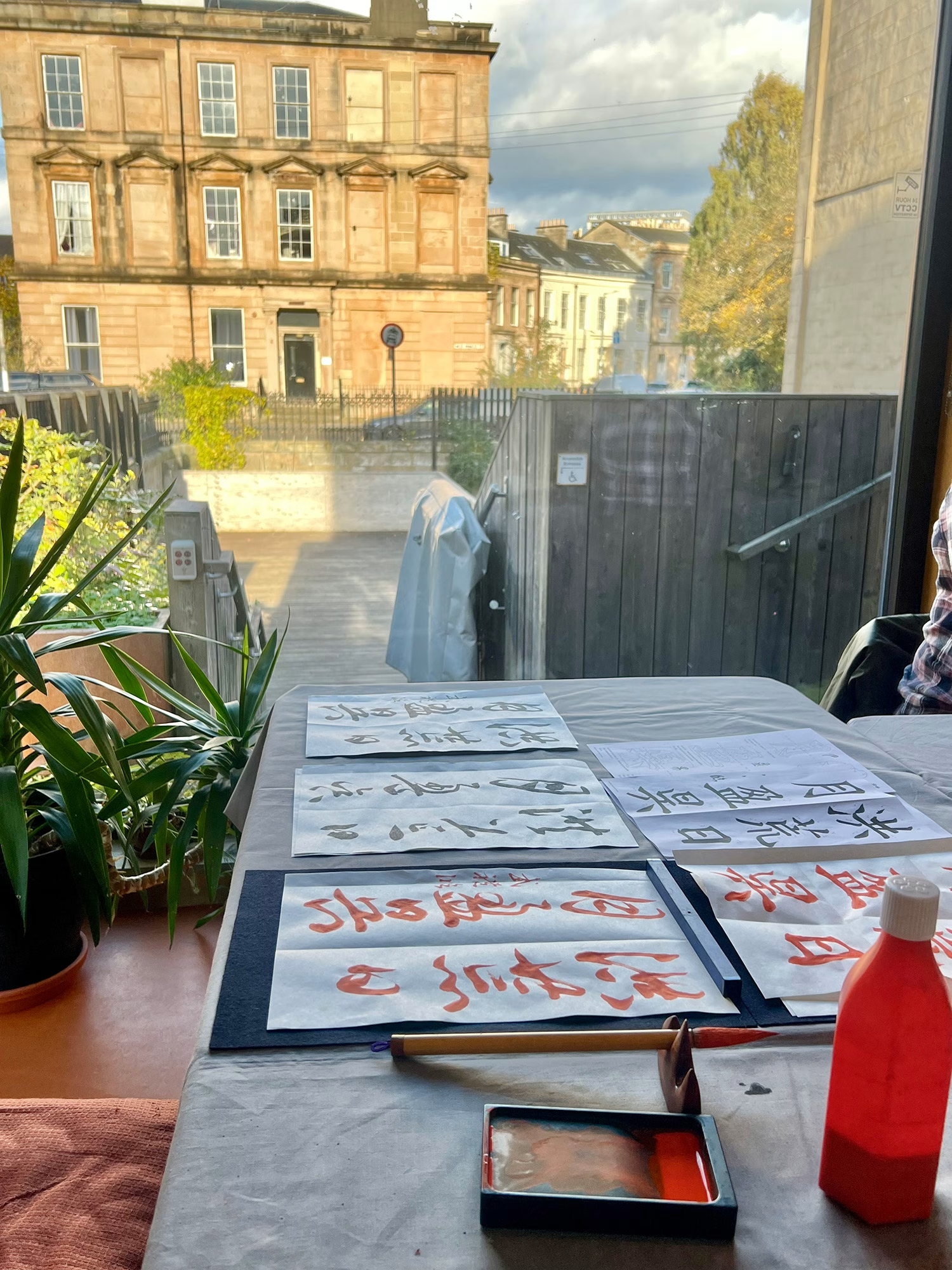
Whereas in our monthly one hour group we brush two different characters each month in two styles, at this longer class we worked from six kanji in three styles through the afternoon, firstly the 楷書 kaisho standard script (based on 松本 芳翠 Matsumoto Hōsui Sensei, 20th century), next the 行書 gyōsho semi cursive (文徵明 Bunchōmei, 16th century) and lastly the 草書 sōsho fully cursive style (choosing 懐素 Kaiso, 8th century).
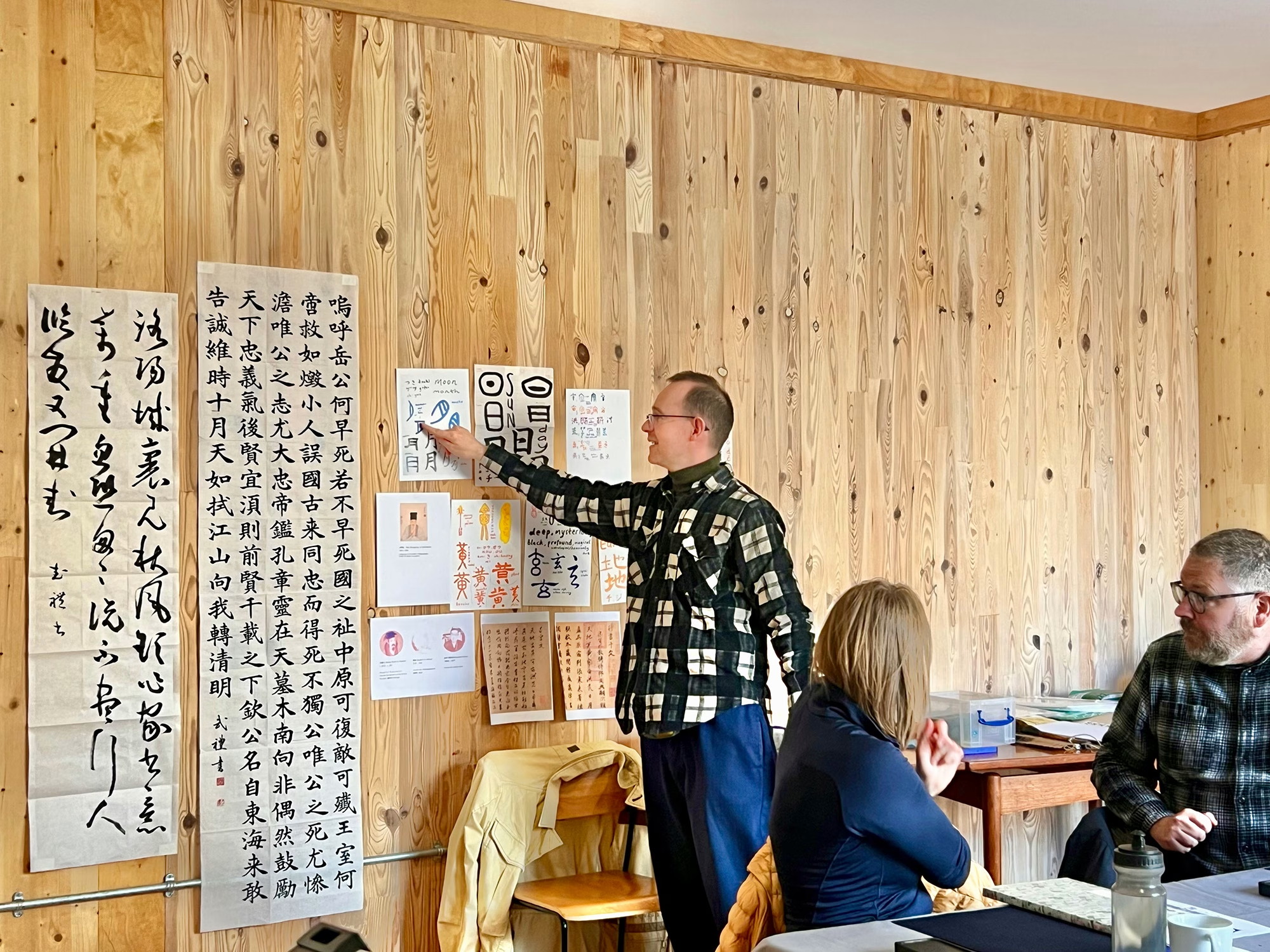
We also looked more briefly at 王羲之 Ogishi (4th century), and for each of the kanji we studied the ancient styles (such as 甲骨文 kōkotsubun shell and bone script, also known as oracle bone script) and their fascinating visual meanings. Blair also gave guidance related to some examples of his own calligraphy practice developed through close connection with masters in Japan.
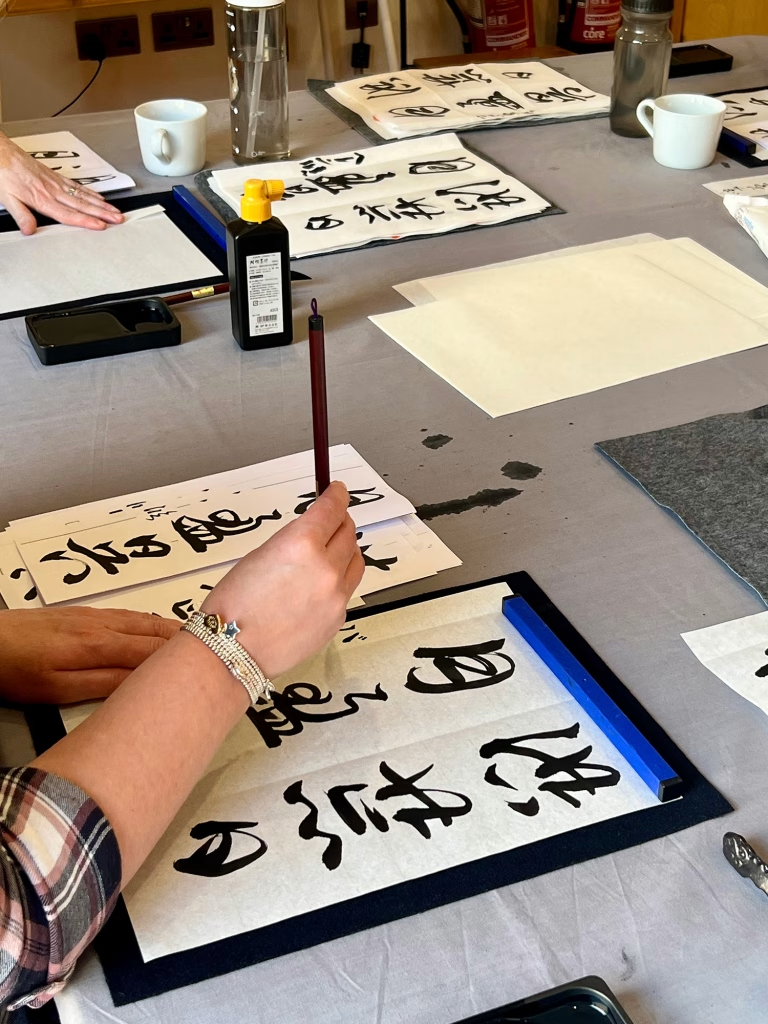
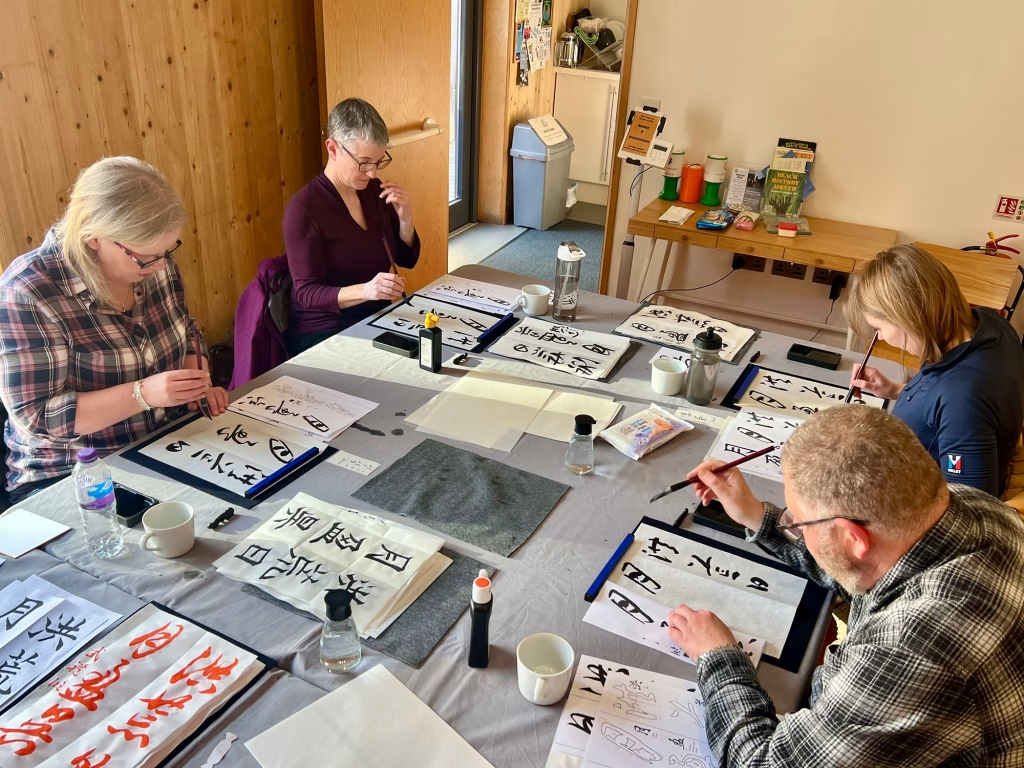
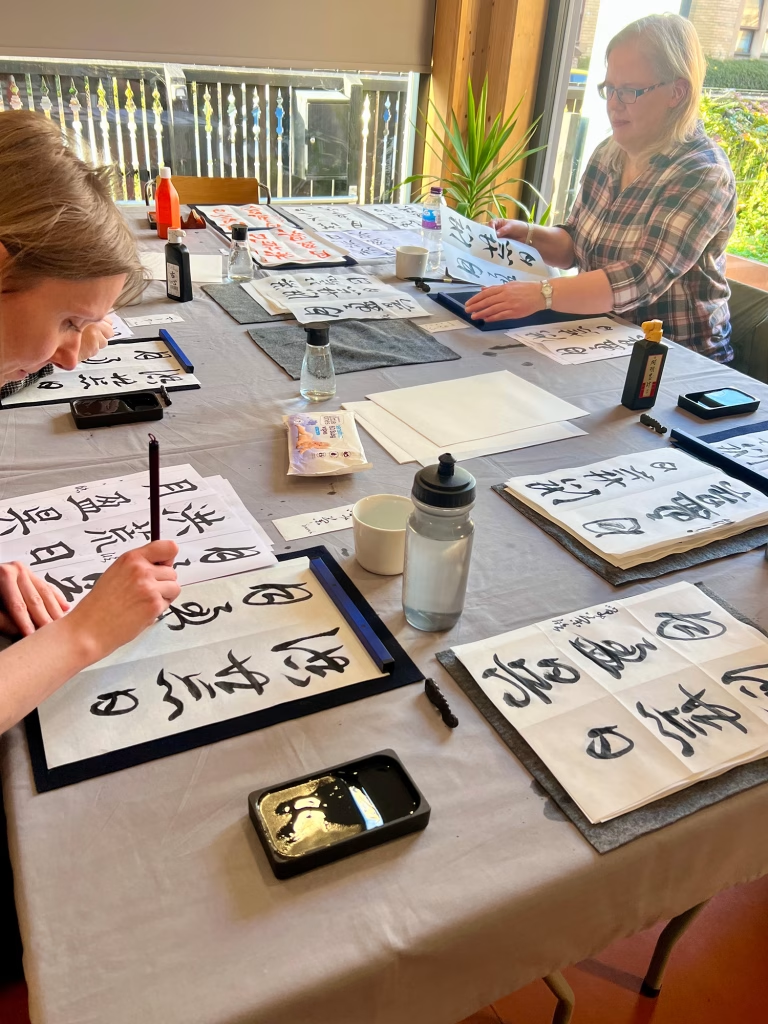
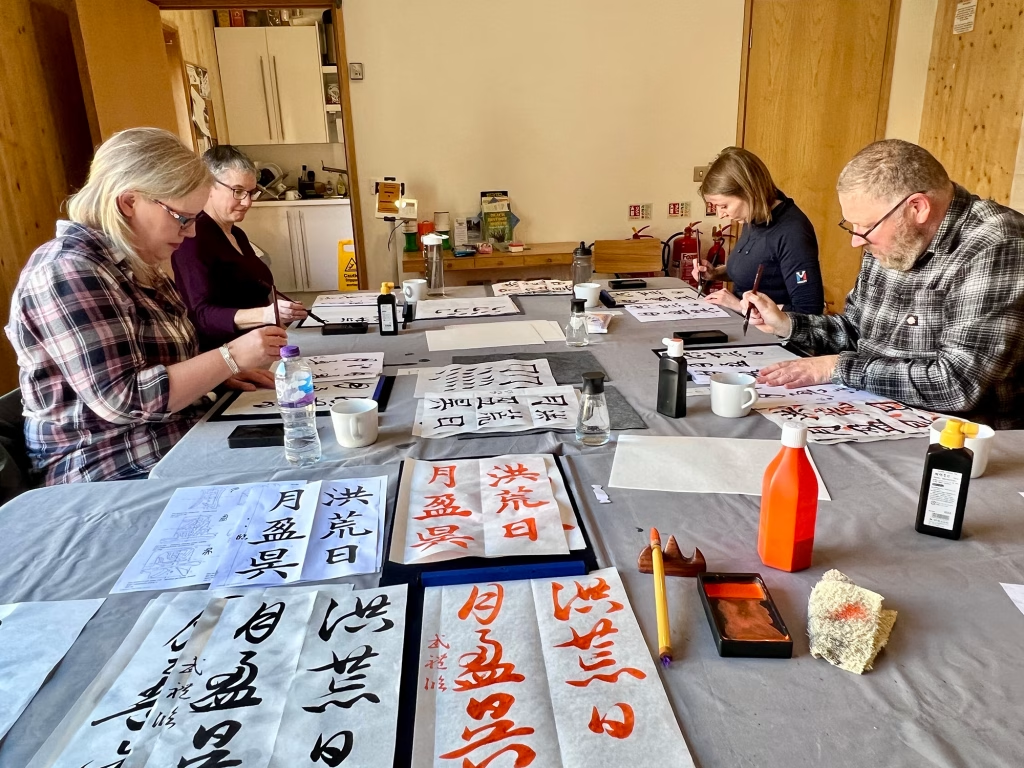
This time we worked with two types of hanshi Japanese calligraphy papers, plus shikishi gold rimmed boards, so that participants could feel the difference and understand why certain types of calligraphy papers are used for particular pieces and styles, for instance depending on the preferred ink spread and the wet/dry balance.
We also had time to develop our 落款 rakkan signature area using katakana and kanji characters, and plenty of time for demonstrations, feedback, discussion and questions. The genmaicha tea and snacks helped propel our activity through the afternoon!
The Senjimon classic is gradually becoming better known outside China and Japan, thanks partly to Kazuaki Tanahashi’s excellent English language book aimed at calligraphers. Also see our previous posts: