Japanese Waka, Materiality and Movement in Heian Poetry and Kana Calligraphy
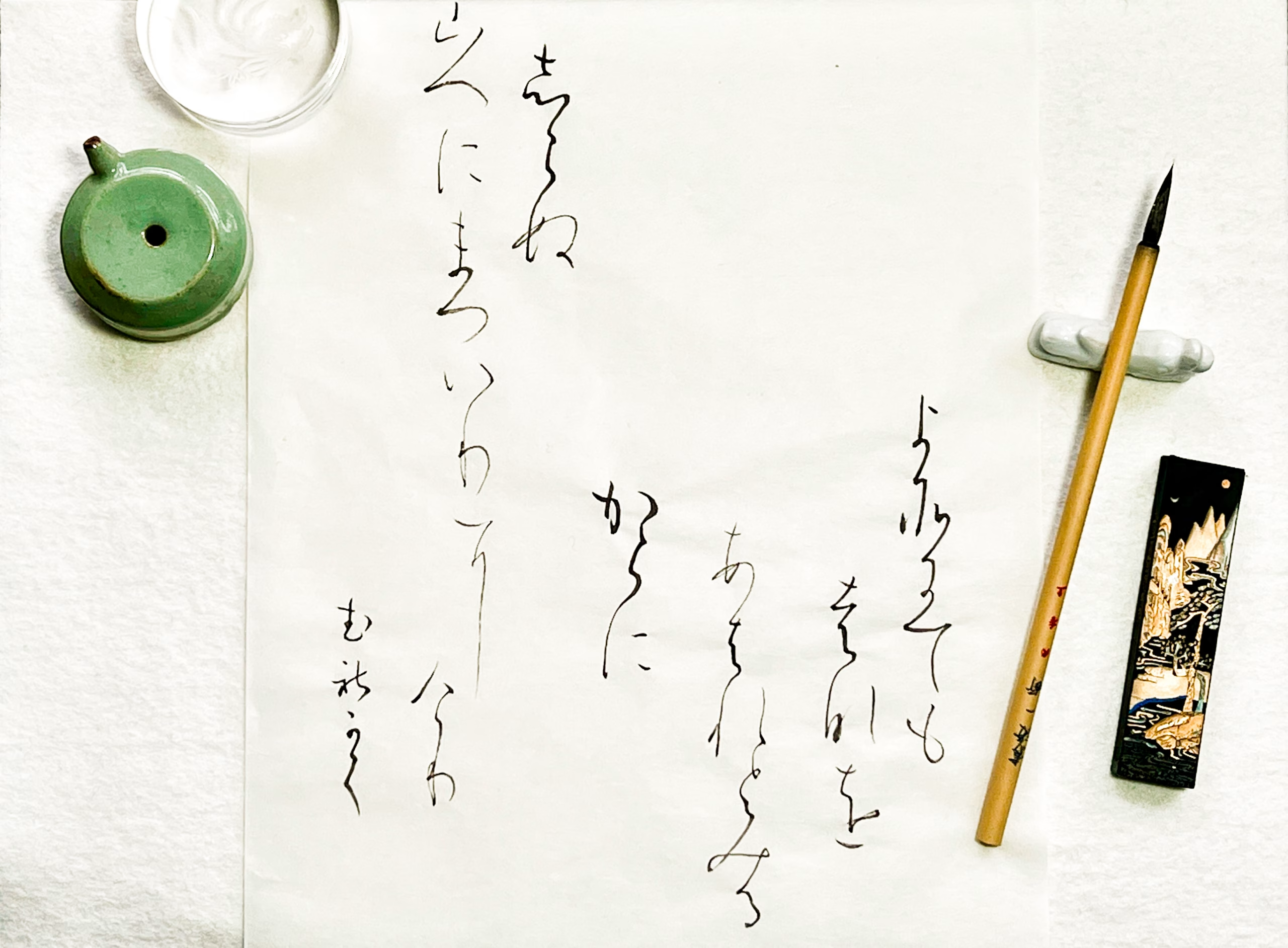
Discovering the aesthetics, methods and materials of 和歌 Waka poetry brushed in 仮名 Kana calligraphy
Date and Time
Sat 14 Mar 2026
11.00am -
12.30pm
GMT
Location
Woodside Library
343 St. George's Road
Glasgow
G3 6JQ
£0
Age Suitability
16+
About
Free event, no booking necessary but please note admission is on a first come first served basis.
Kindly supported by the Great Britain Sasakawa Foundation.

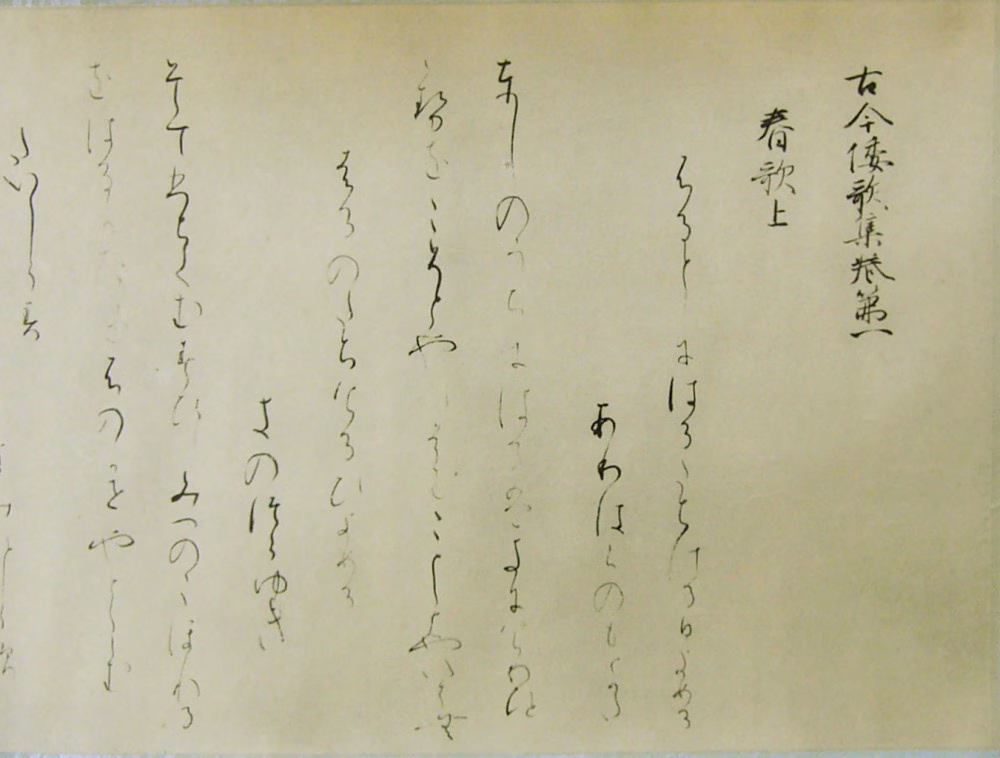
Kōyagire text of 古今和歌集 Kokin Wakashū (Ancient and Modern Japanese Poems Collection, 10th century)
Explore Japanese 和歌 waka poetry brushed in 仮名 kana calligraphy with the traditional materials and brushwork techniques used, in a friendly introductory event. Learn about the esteemed styles, techniques and history behind the flowing kana scripts and deep poetic themes of waka poetry. Get to know how modern calligraphers go about brushing ancient Japanese poems (such as Matsumoto Hōsui who brushed from the Kokin Wakashū in the 20th century).
Enjoy the delicate feel of paper made for kana calligraphy and the meditative action of grinding your sumi ink, learning how calligraphers write with kana brushes, as well as gaining insight into the choices of characters used, and layout of the poem, in the process of writing the poetry.
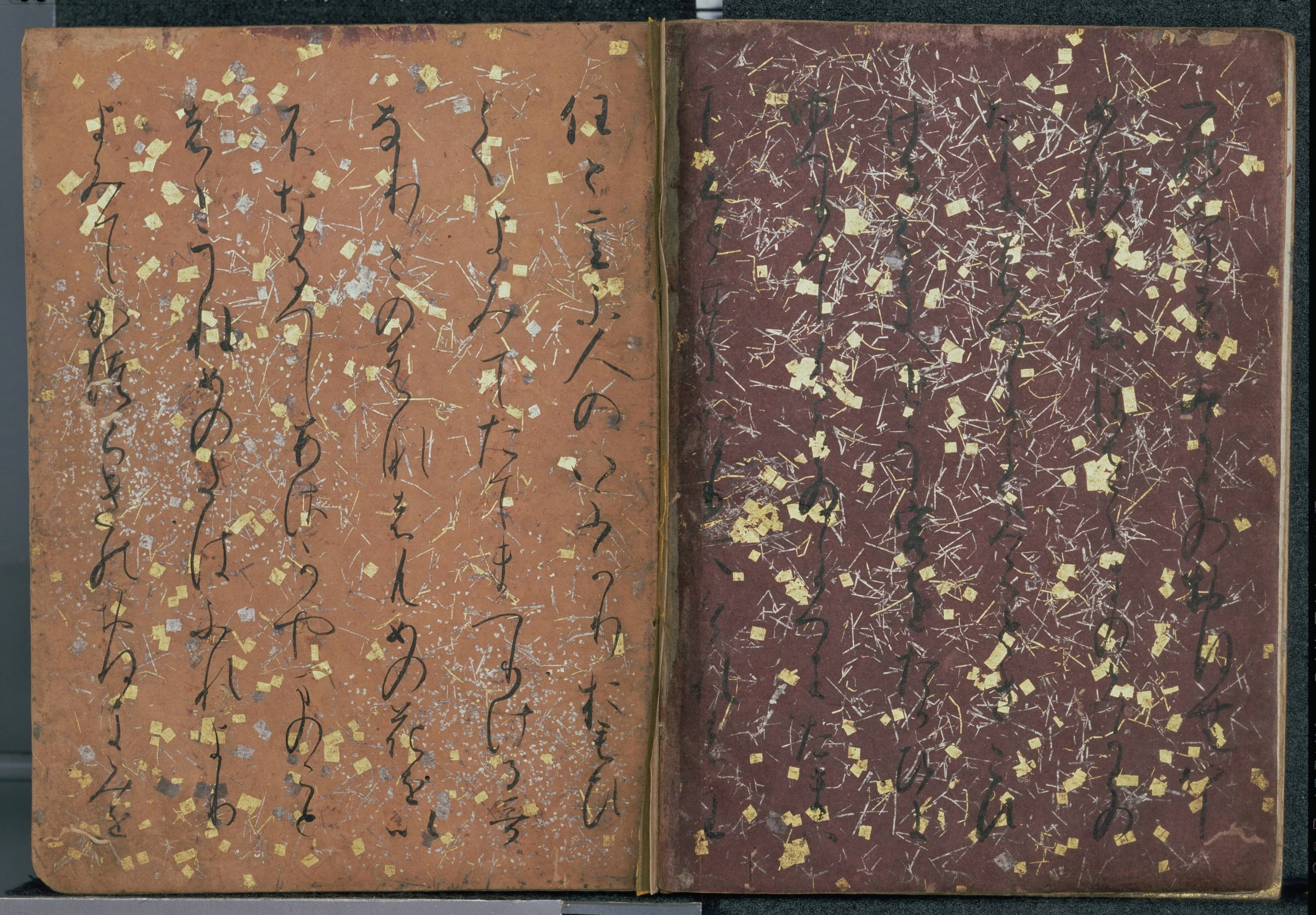
Section of Kokin Wakashū (Gen’ei edition), 12th century, Tokyo National Museum
Workshop leader Blair Shōgen Thomson will guide you step by step, working with the materials and inspired by kana examples. Blair is closely involved with calligraphy groups and teachers in Japan and will discuss meeting calligraphers in Tokyo focussing on brushing waka poetry.
No previous experience is needed to take part, and all materials are provided. If you would like to find out more about our previous Japanese cultural events, please visit: https://drawingandpaintingstudio.com/tag/japanese-cultural-workshops
Saturday 14th March 2026, 11am-12.30pm,
Woodside Library, Glasgow
Free event, no booking necessary but please note admission is on a first come first served basis. This project is generously supported by the Great Britain Sasakawa Foundation.